4 hr
Châteauneuf-du-Pape Wine Discovery from Avignon
Journey through Provence's celebrated vineyards with tastings at two authentic cellars and scenic views
Reserve
Thirteen grape varieties beneath papal stone, terroir unfolding in the glass
Hand-picked by our editors — only the best 12 experiences from 48 reviewed.
Verified partners for Chateauneuf Du Pape Wine tours, free cancellation where available, and instant confirmation on every booking.
4 hr
Journey through Provence's celebrated vineyards with tastings at two authentic cellars and scenic views
Reserve
5 hr 30 min
Sample exceptional Rhône valley wines across multiple estates with optional farm-fresh picnic lunch
Reserve
5 hr
Explore renowned vineyards and charming villages while tasting exceptional Grand Cru wines in Provence
ReservePrices from verified partners. Availability updates in real time at checkout. Free cancellation policies apply where shown.
Every Chateauneuf Du Pape Wine tour side-by-side — duration, what's included, how you redeem.
| Experience | From | Duration | Rating | Guide | Small group | Free cancel. | Price | |
|---|---|---|---|---|---|---|---|---|
|
Standard Entry Most popular
Châteauneuf-du-Pape Wine Discovery from Avignon
|
Avignon | 4 hr | ★ 4.8 | ✓ | ✓ | ✓ | €89 | Book → |
|
Standard Entry
Châteauneuf du Pape Wine Tasting Tour from Avignon
|
Avignon | 5 hr 30 min | ★ 4.9 | — | ✓ | ✓ | $92 | Book → |
|
Standard Entry
Côtes du Rhône Wine Country Half-Day Experience
|
— | 5 hr | ★ 4.8 | ✓ | ✓ | ✓ | €85 | Book → |
All prices from verified partners. Availability and exact terms confirmed at checkout.
They complement each other; most visitors who do both call the Châteauneuf-du-Pape appellation the more historically prestigious experience, while Gigondas offers a more intimate, terroir-focused encounter.
| Feature | Top pick Châteauneuf-du-Pape | Gigondas Tasting |
|---|---|---|
Wine Profile |
Complex Grenache blends | Bold, structured red wines |
Historical Significance |
Papal summer residence origin | Ancient Roman foundation site |
Number of Wineries |
Over 200 producers | Approximately 80 estates |
Crowd Levels |
High tourist density | Low to moderate volume |
Ease of Access |
Direct regional transport | Requires private vehicle |
Tourist Infrastructure |
Developed visitor centers | Limited village services |
| See tickets → |
Verdict: Select a chateauneuf du pape wine tour for globally renowned legacy, or choose Gigondas if you prefer quieter vineyards and rugged Provençal charm, though many find booking chateauneuf du pape wine tour tours alongside local excursions provides the best perspective, and procuring chateauneuf du pape wine tour tickets for cellar visits in advance ensures access, noting that a chateauneuf du pape wine tour tour often includes deeper educational components than smaller village stops.
Choose your ticket, select your date, and reserve in under two minutes. Secure checkout handled by our verified partner.
Instant confirmation by email, with a mobile voucher you can save offline. No printing, no queuing at a collection desk.
Arrive at the entrance, show your voucher on your phone, and walk in. Most tickets include priority or skip-the-line access.
Practical details for Chateauneuf Du Pape Wine tickets straight from our verified partners — hours, access, rules, and how to get there.
Casual attire is appropriate, though sturdy footwear is recommended for navigating the village's cobblestone streets and vineyard paths during a chateauneuf du pape wine tour.
Large luggage should be left in your vehicle or accommodation, as the village and office have limited space for bags.
Photography is encouraged throughout the village and at most outdoor vineyard sites, though always ask permission before taking photos inside private wine cellars.
The Châteauneuf-du-Pape tourist office is fully accessible with elevator access to the first floor, though some historic sites and older winery cellars may have uneven terrain.
Mobile phones are permitted. Keep ringer off inside exhibition spaces.
The village is family-friendly, though vineyard tours and tastings on a chateauneuf du pape wine tour are primarily designed for adults; consider shorter walking routes for children.
Numerous cafes and restaurants are located within the village for lunch, and water is recommended for all visitors during summer tastings.
Pets are not allowed, with the exception of service animals with appropriate documentation.
Last entry is typically 1 hour before closing. Check the specific ticket for timing.
Best time to go, insider tips, nearby landmarks, and the cancellation fine print — flip through to skim what matters to you.
Flexible, no hidden fees.
Entry to the tourist office is free. Individual wineries or private chateauneuf du pape wine tour operators set their own booking and cancellation policies.
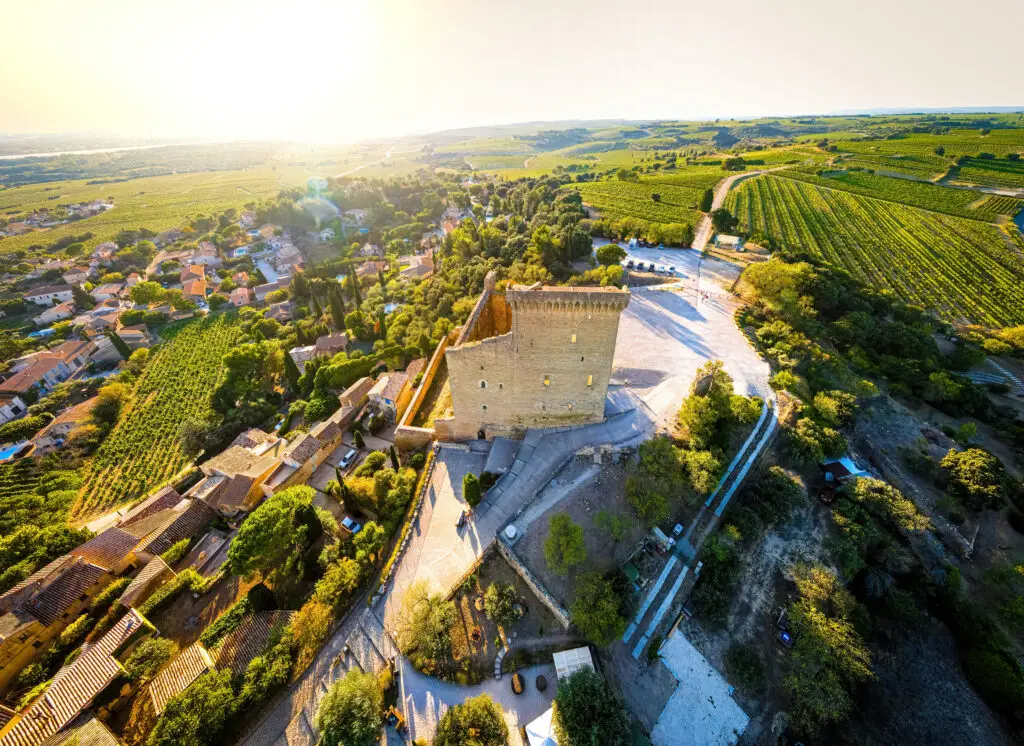
Pope John XXII planted the first vines on Châteauneuf-du-Pape's sunbaked galets roulés in 1317, transforming a summer retreat into what would become France's most regulated wine appellation six centuries later.
The papal decree established not just a vineyard but a tradition of terroir reverence that survives in every estate along the Route des Vins today. By the time Baron Le Roy codified the Appellation d'Origine Contrôlée system in 1936, Châteauneuf-du-Pape had already spent decades proving that strict delimitation of geology, grape variety, and method could elevate regional wine into an export standard.
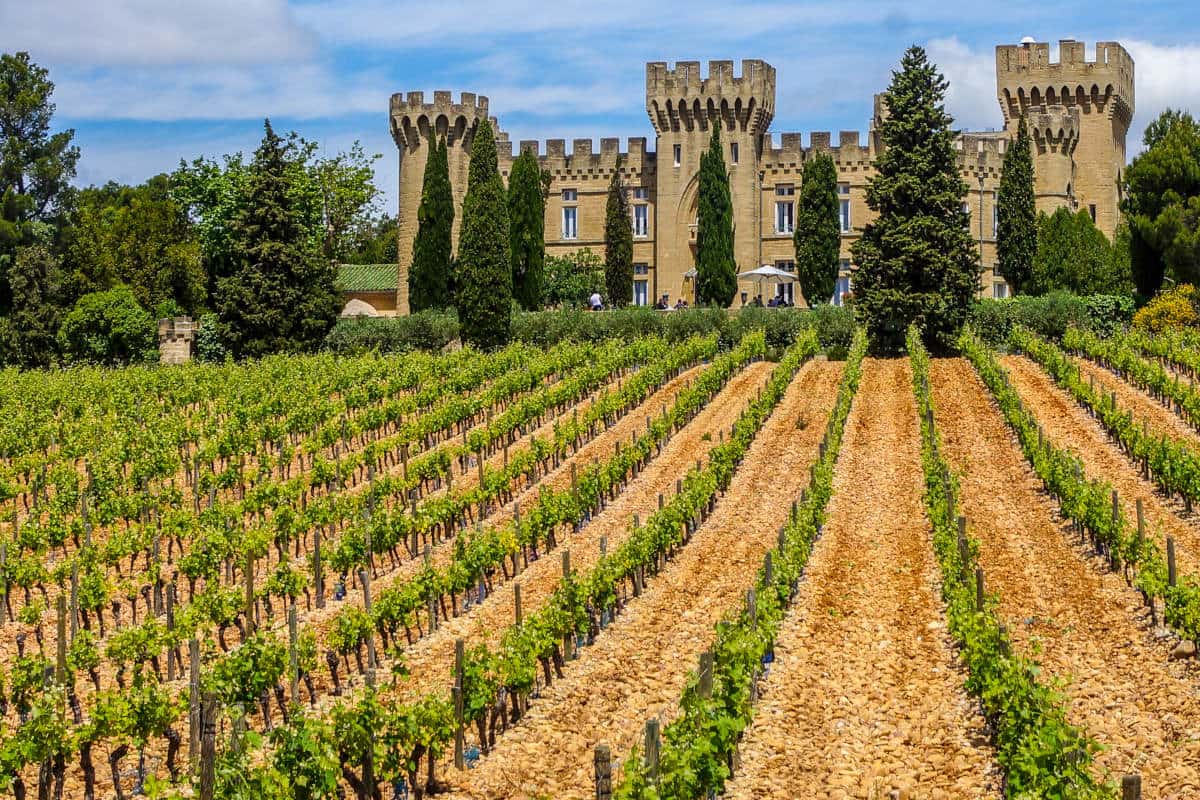
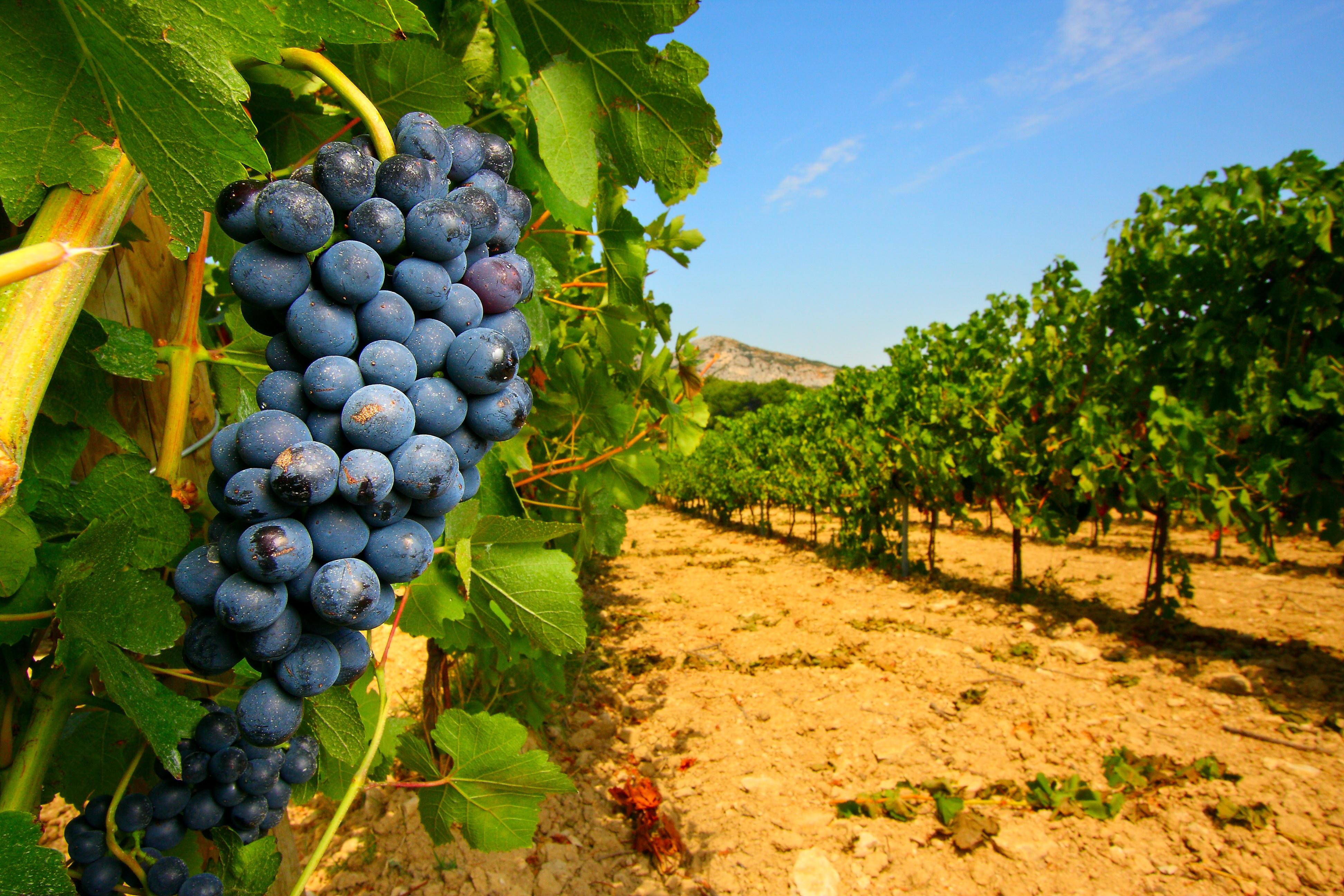
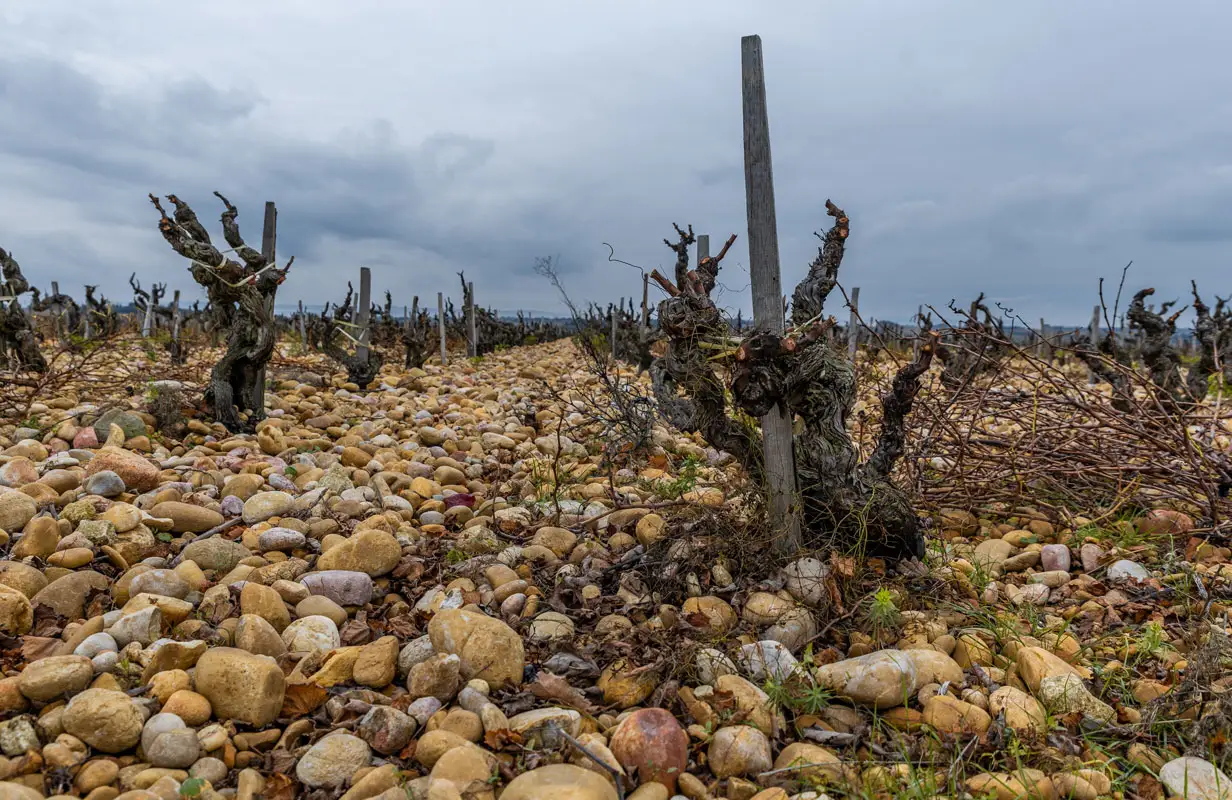
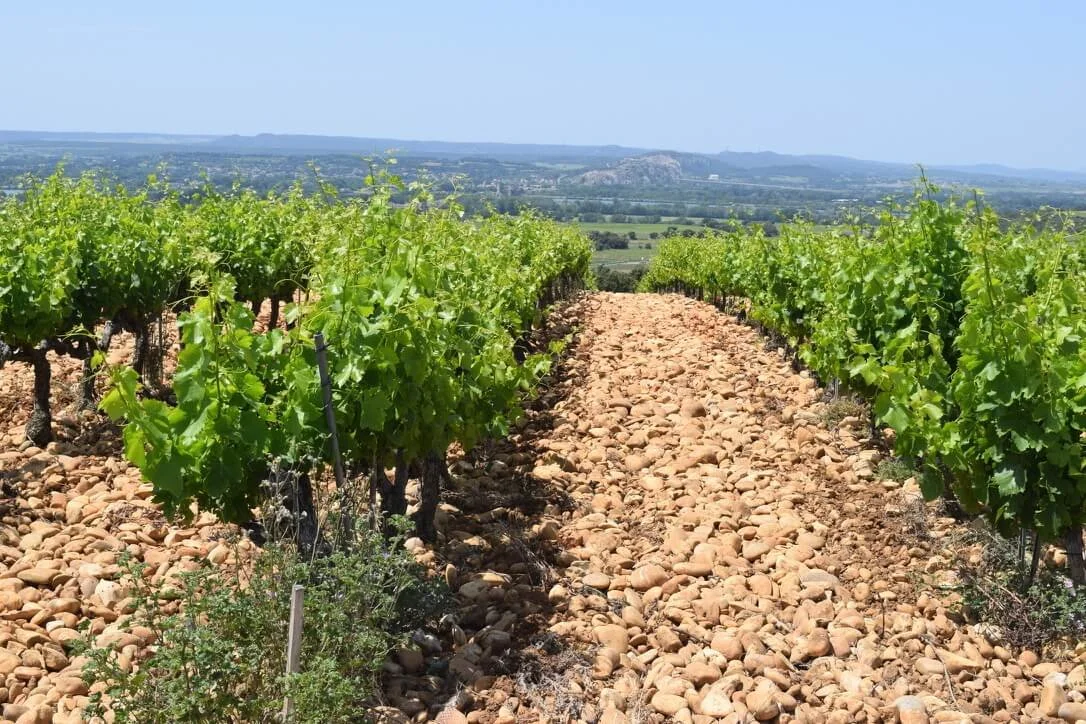
A châteauneuf-du-pape wine tour reveals why this 3,200-hectare appellation commands attention far beyond its modest footprint. Thirteen permitted grape varieties — Grenache, Syrah, Mourvèdre, and ten others — grow across fractured Miocene limestone, Pliocene sand, and those iconic pudding-stone galets that store summer heat and radiate it back to ripening clusters after dark. Each estate interprets the blend differently. Some favor pure Grenache for silk and red fruit; others build architectural reds from equal parts Grenache, Syrah, and Mourvèdre. White châteauneuf accounts for just seven percent of production, yet Roussanne and Clairette grown on cooler north-facing slopes yield wines of striking mineral clarity. The village's 300 growers work parcels as small as two hectares, many still hand-harvesting and foot-treading in concrete vats as their grandparents did.
Contemporary Châteauneuf-du-Pape wine tours from Avignon typically visit three to five estates within a half-day window, allowing comparisons between traditional domaines and modernist cellars equipped with temperature-controlled stainless steel. The afternoon wine tour to Châteauneuf-du-Pape from Avignon departs after lunch, reaching the appellation by 14:00 when cellars reopen and the garrigue scrubland exhales thyme and rosemary under August sun. Guides explain how soil type dictates style: La Crau's quartzes produce powerful, age-worthy reds, while Rayas' sand yields lighter, earlier-drinking wines. A Châteauneuf-du-Pape wine day tasting tour including lunch from Avignon extends the experience with a Provençal meal paired to older vintages, demonstrating how Grenache-based blends develop tobacco, leather, and dried fig complexity after a decade in bottle. The appellation's reputation rests not on a single iconic château but on dozens of family domaines, each farming small plots with obsessive attention to canopy management, yield restriction, and harvest timing.

"Thirteen permitted grape varieties grow across fractured limestone and iconic pudding-stone galets that radiate summer heat back to ripening clusters after dark."
A step-by-step walkthrough of Chateauneuf Du Pape Wine tickets — what you'll see, how long each stage takes, and the details that matter.
You meet your guide at Place du Portail in Avignon at 09:00, boarding a small coach that crosses the Rhône and climbs through scrubland toward the village's medieval silhouette.
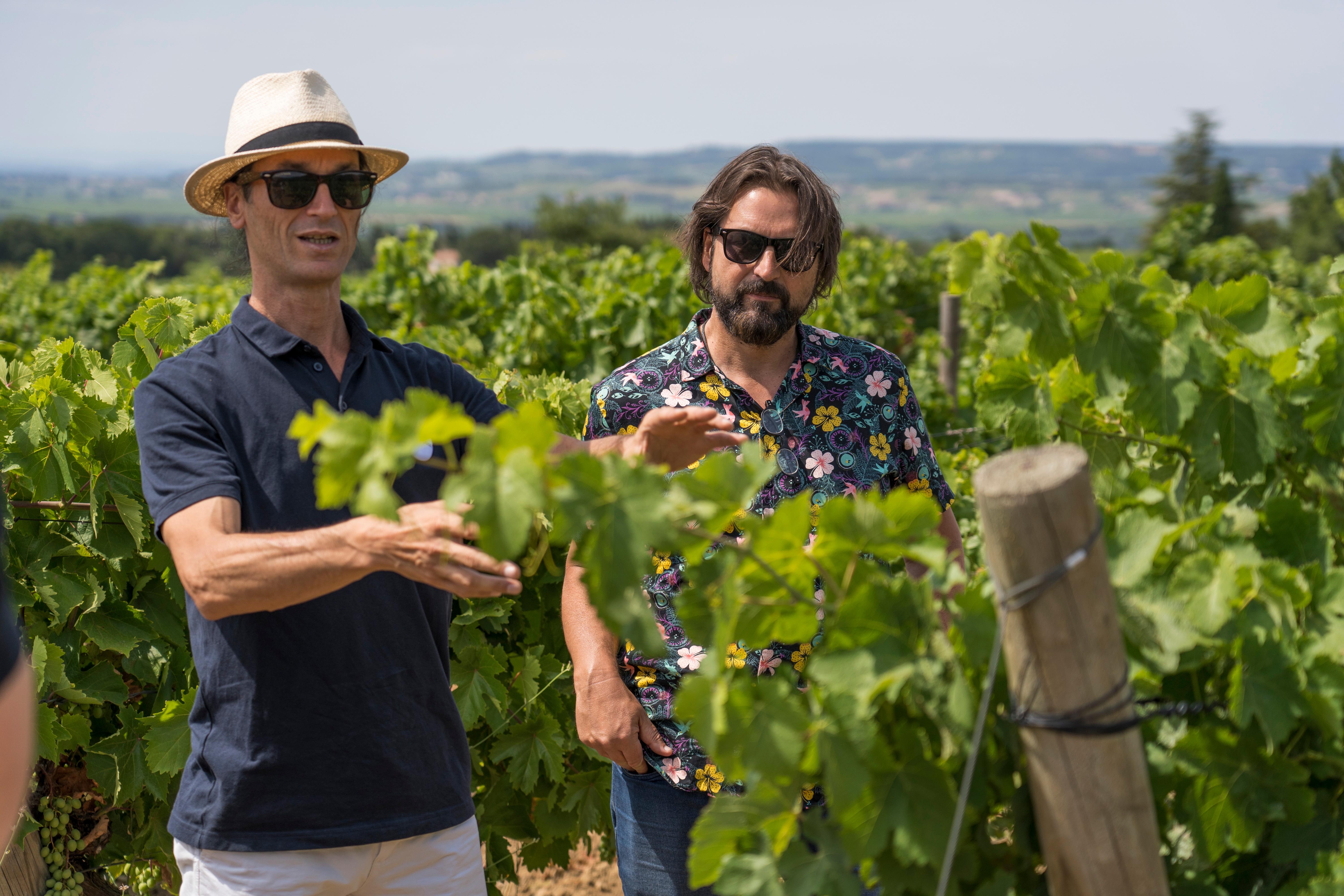
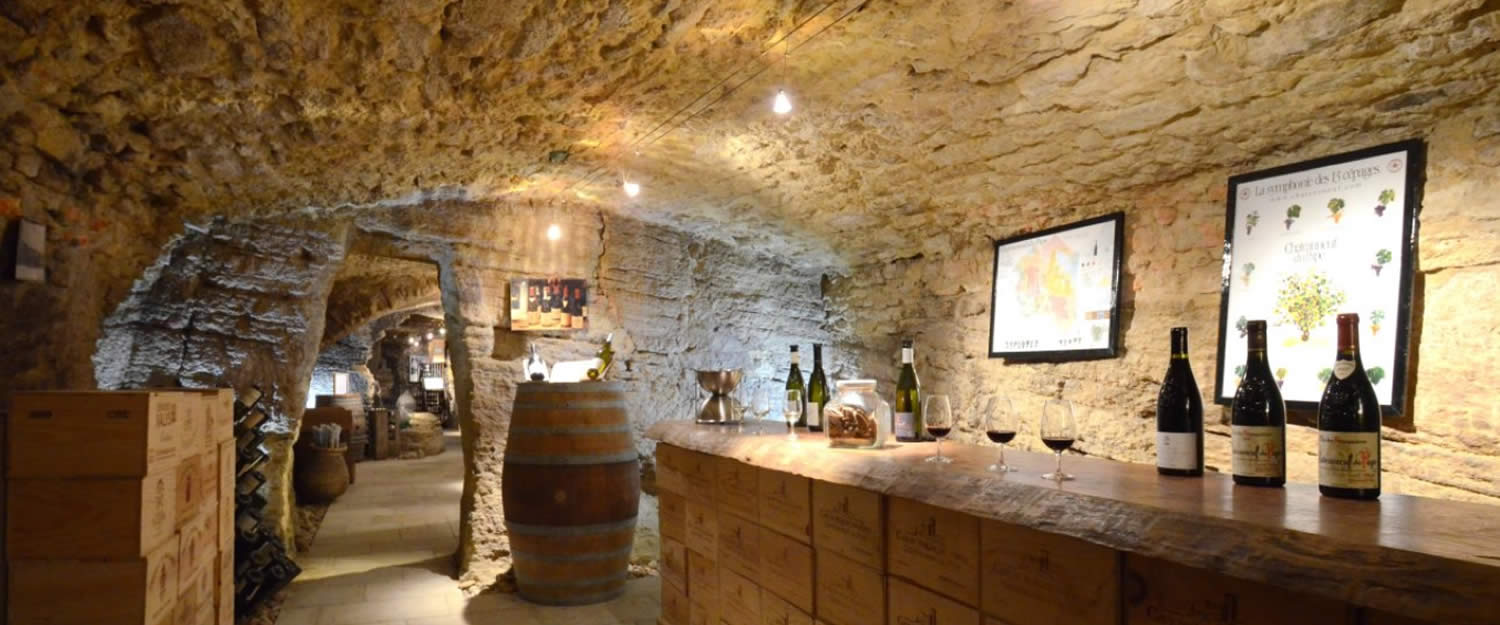
By 09:45 you arrive at your first domaine, where a vigneron in work boots walks you between century-old Grenache vines, explaining how the galets roulés store daytime warmth and release it slowly through cool September nights. You descend into a vaulted cellar dug from Miocene limestone, tasting three estate wines — a young rosé, a three-year red showing pepper and cherry, and a reserve cuvée blending thirteen grape varieties into layered complexity.
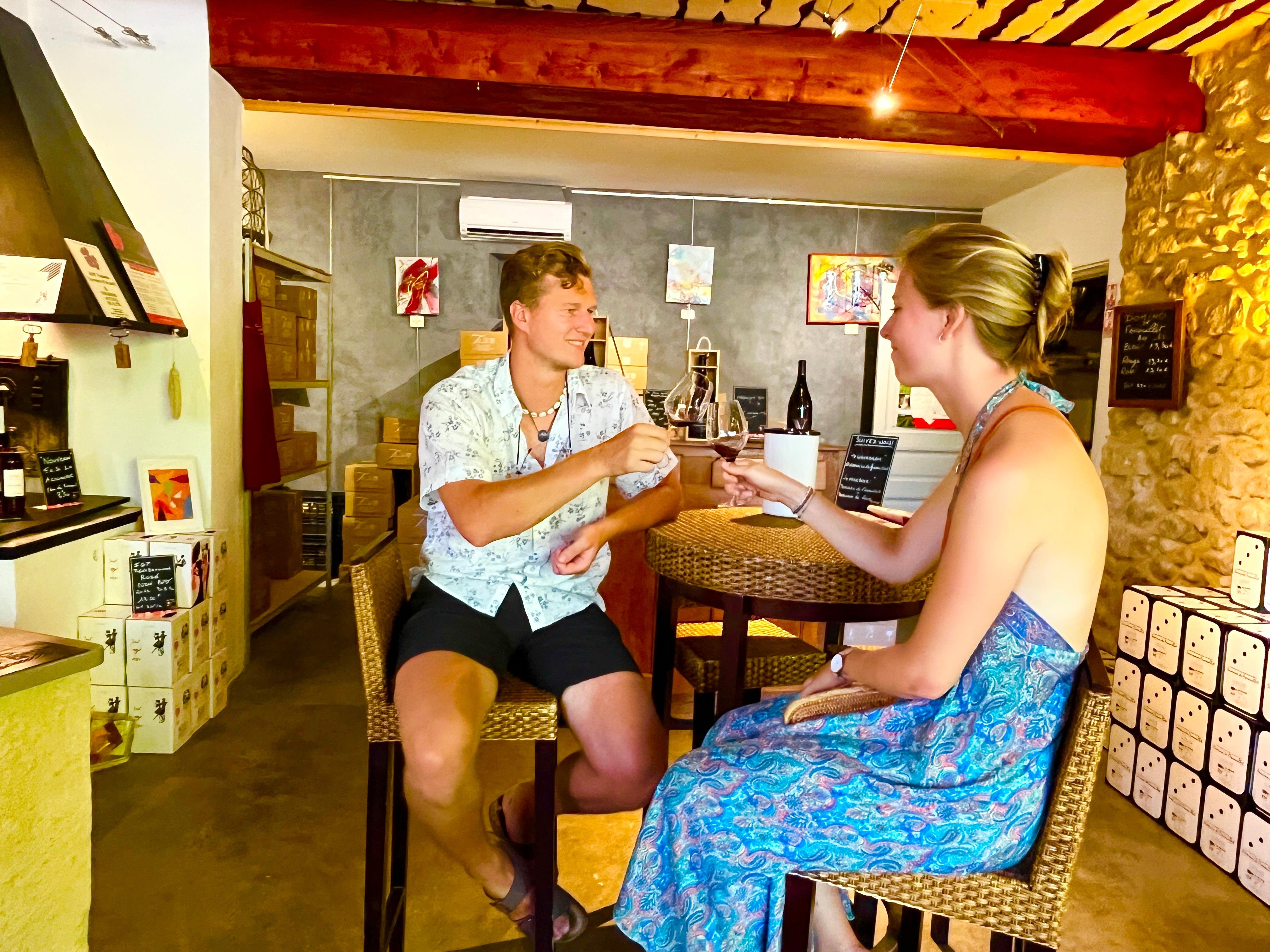
The second estate visit at 11:00 contrasts tradition with innovation: here you see stainless steel fermenters and pneumatic presses, tasting a white Châteauneuf built from Roussanne and Clairette that offers citrus and almond notes. Your guide pours verticals — the same wine across three vintages — so you perceive how hot years yield riper fruit while cooler seasons preserve acidity. You pause in the tasting room to buy a bottle of the 2022 reserve before the coach returns you to Avignon by 13:30, the scent of garrigue still clinging to your clothes and the weight of papal terroir lingering on your palate.
The tourist office is open Monday to Saturday from 09:30–12:30 and 14:00–18:00, and closed on Sunday.
While village access is free, you generally need to book specific chateauneuf du pape wine tour tickets in advance for private tastings.
Entrance to the village and the Châteauneuf-du-Pape tourist office is 0 EUR.
Yes, the tourist office is fully accessible, though some historic areas may have uneven paths.
The best time for a chateauneuf du pape wine tour is spring or early autumn to avoid the peak heat of summer.
Most wineries and the tourist office are closed on Sundays, so plan your chateauneuf du pape wine tour for a weekday or Saturday.
Bring water, sunscreen, a hat, and comfortable shoes for your chateauneuf du pape wine tour.
Yes, but tastings are adult-focused; keep the chateauneuf du pape wine tour light and interactive for younger guests.
Yes, there are parking areas available in the village near the center.
It is highly recommended to book your chateauneuf du pape wine tour tickets at least 3–5 days in advance, especially during the summer.